Resources
| PDF - Printable Version of Case Study | Download |
| Products Used | CleanScrape® Primary Cleaners |
|---|---|
| Product Types Used | Belt Cleaning Solutions , Primary Belt Cleaners , Secondary Belt Cleaners |
| Industry | Steel |
| Customer | JSW Steel Plant, Dolvi, Maharashtra, India |
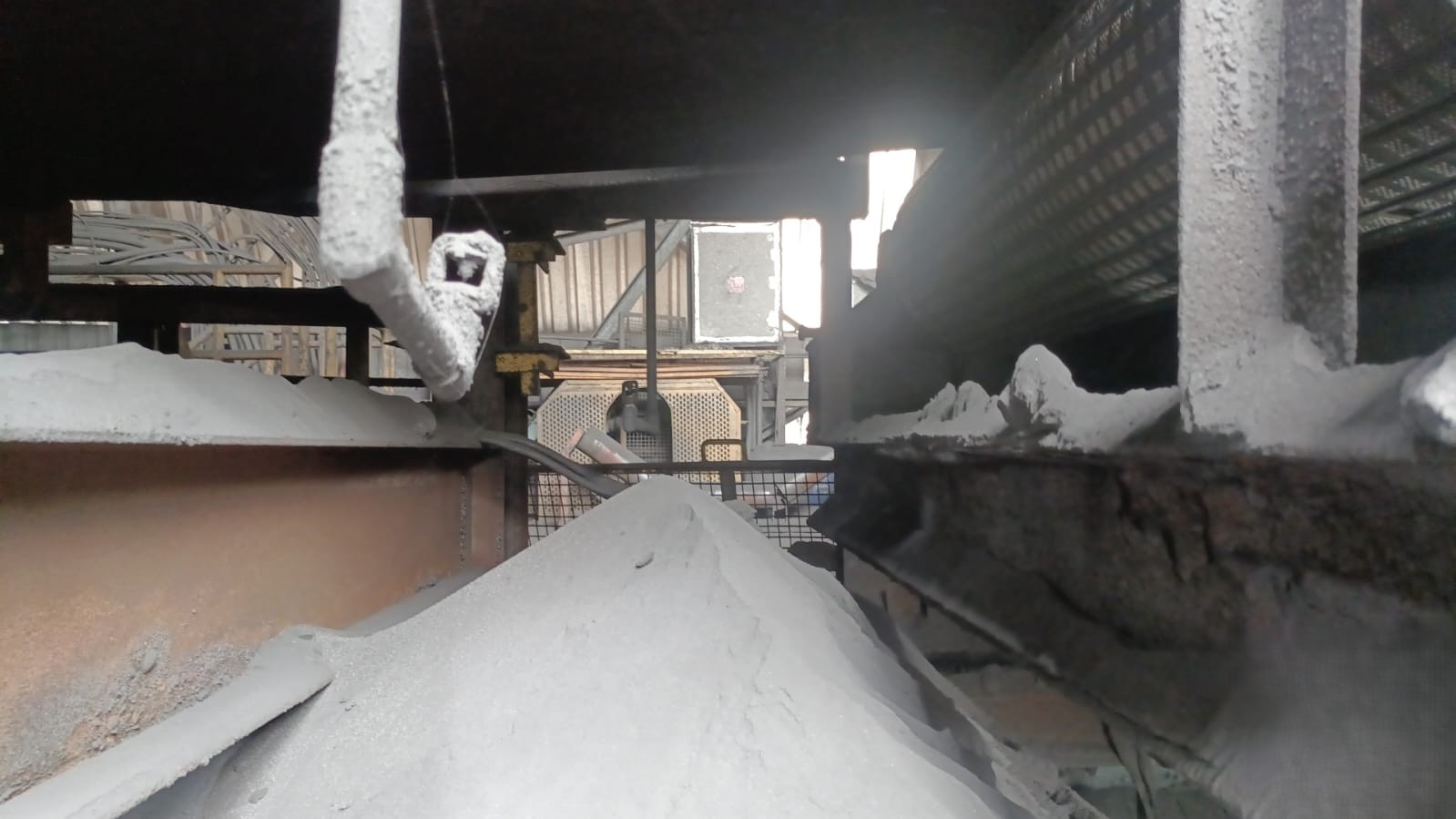
JSW Steel’s Dolvi plant in Maharashtra, operating at a production capacity of 10Mt per year faced persistent carryback and belt-cleaning challenges across 10 coke-handling conveyor systems. The existing polyurethane (PU) belt cleaners from another vendor were ineffective due to insufficient cleaning efficiency and rapid blade wear. The continued need for manual clean-ups and spare blades resulted in increased unplanned downtime and higher maintenance costs to keep the conveyors operational. Adding to the challenge, limited installation space allowed for only a single cleaner per conveyor, making it essential to find a compact, low-maintenance solution that could deliver superior cleaning performance in the very first pass.
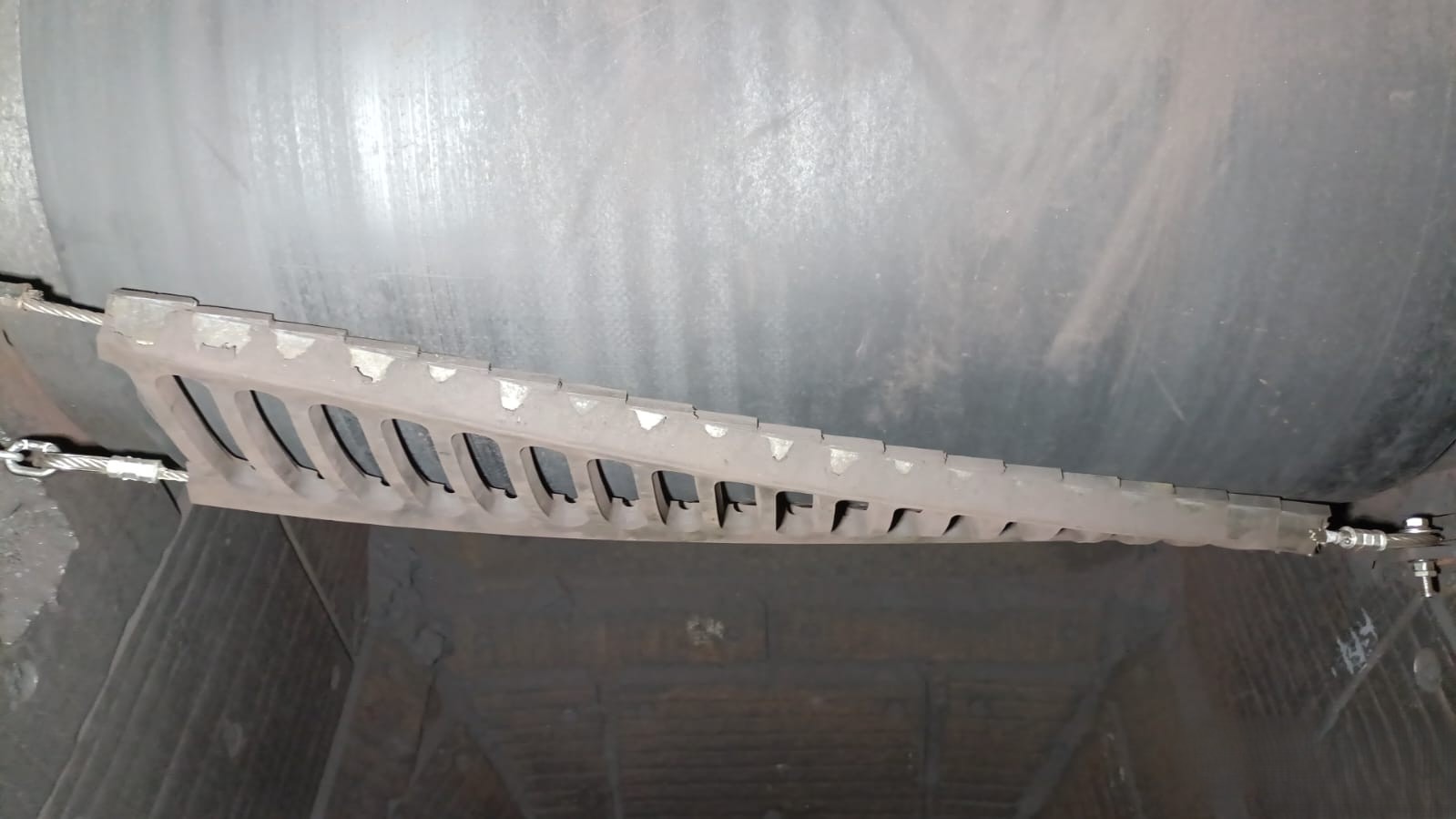
Martin Engineering experts team, together with a trusted partner, conducted a belt audit making note of the belt cleaner expectation and the abrasive nature of the cargo. The team recommended installing a Martin® CleanScrape primary cleaners replacing the existing belt cleaners. Given the space constraints within the chute, the CleanScrape® was an ideal solution due to its simple installation and minimal space requirements.The CleanScrape® ensures low wear on both the belt and the cleaner, prolonging their service life. The tungsten carbide cleaning surface is completely corrosion-resistant, making it durable even in harsh environments. The cleaner requires minimal maintenance and comes with stainless steel installation kits for added durability.
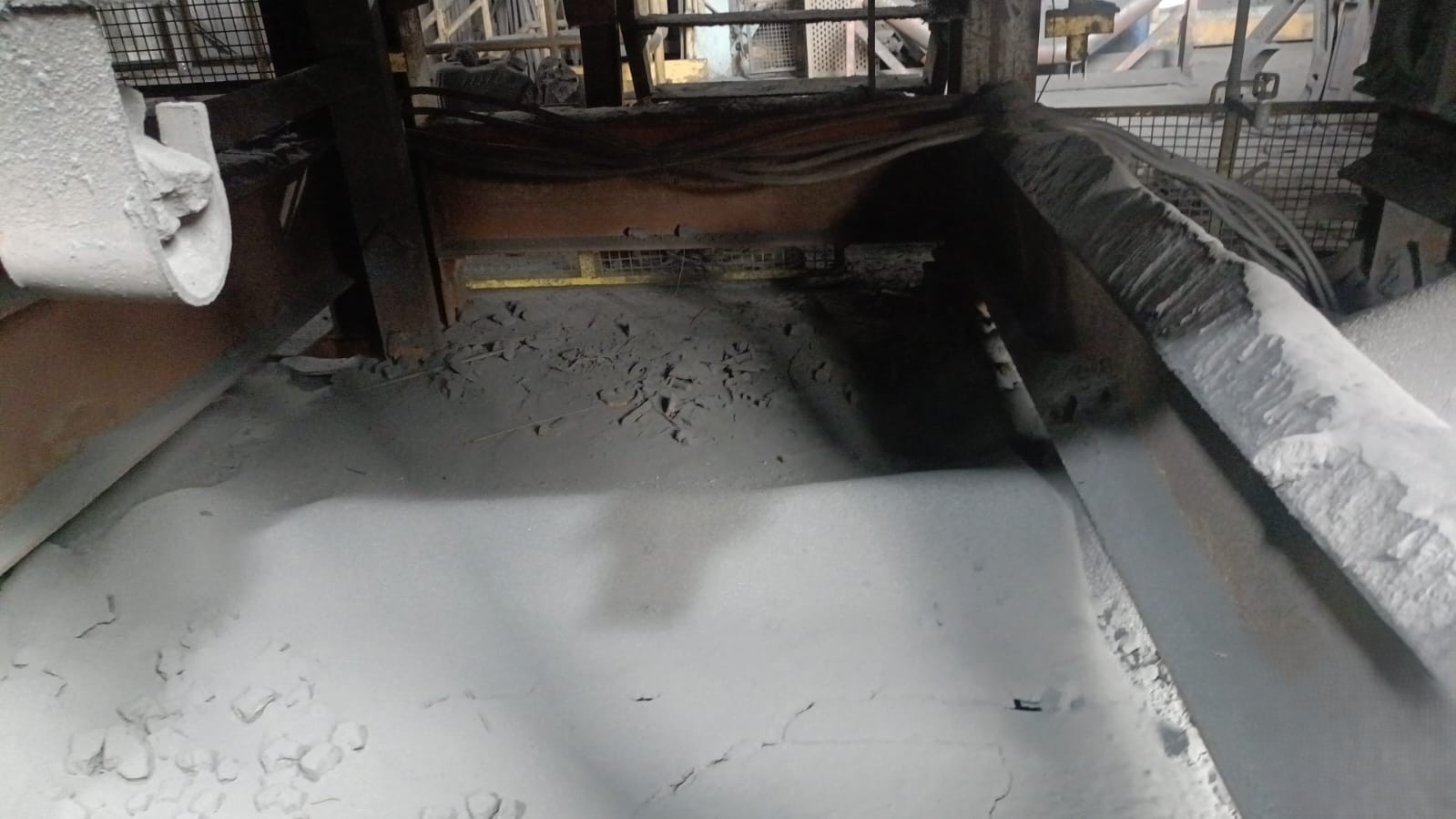
After 12 months in operation, operators reported outstanding cleaning efficiency, with no adjustments or other maintenance required. The CleanScrape® Primary Cleaner proved the optimal solution providing higher performance, longer life, reduced material loss and addressing the associated operational challenges. With less material accumulating under the belt, the manual clean-up time and associated manpower costs were significantly reduced. The customer is very happy with the performance, service and overall functioning of the proposed solutions and further orders have since been placed.
| PDF - Printable Version of Case Study | Download |
+91 20 66788270
Martin Engineering Company India Pvt. Ltd.
Plot 191, 192, 193, Vadu Khurd
Alandi-Markal Road, Phulgaon
Pune 412216, India
salesindia@martin-eng.com
+91 20 66788270